Striking the right match for B2B and B2C Commerce

Archivist needed one platform to serve two very different customers. Retail shoppers wanted a clean, simple checkout, while trade buyers needed live pricing, account rules and fast repeat ordering. The business also wanted better performance and product discovery without migrating away from its existing ERP.
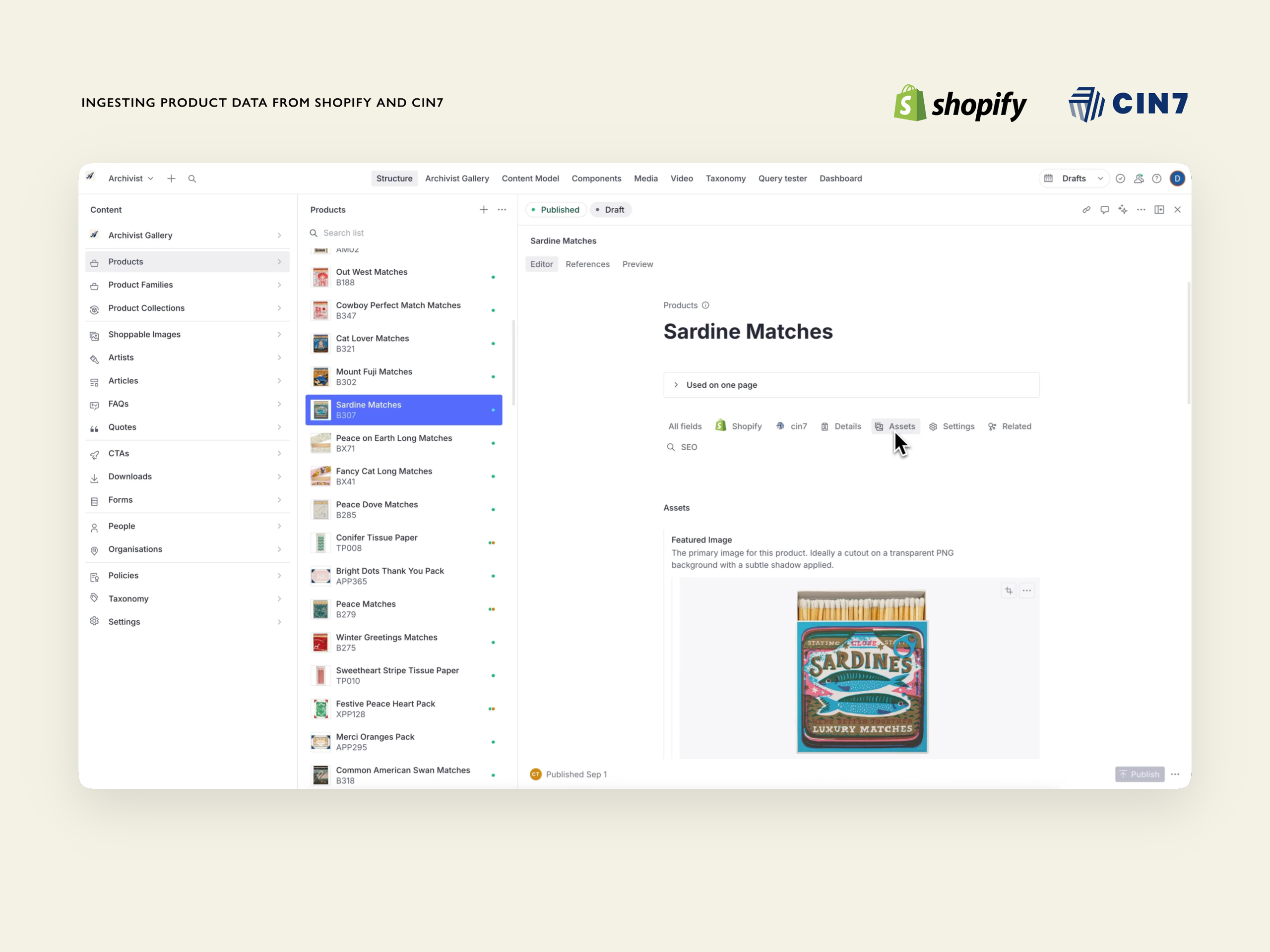
We built a unified headless commerce setup using Sanity for content, Algolia for product discovery and Cin7 for inventory and trade logic. Cloudflare Workers powered custom workflows. Retail users get a streamlined storefront, trade buyers get the tools they need and the team manages everything from one place.
Archivist saw an 18 percent increase in sales in the first two months year on year, doubled its Google search click through rate and doubled the total number of clicks. The business kept its existing ERP while gaining a flexible, scalable platform that supports both retail and trade with ease.

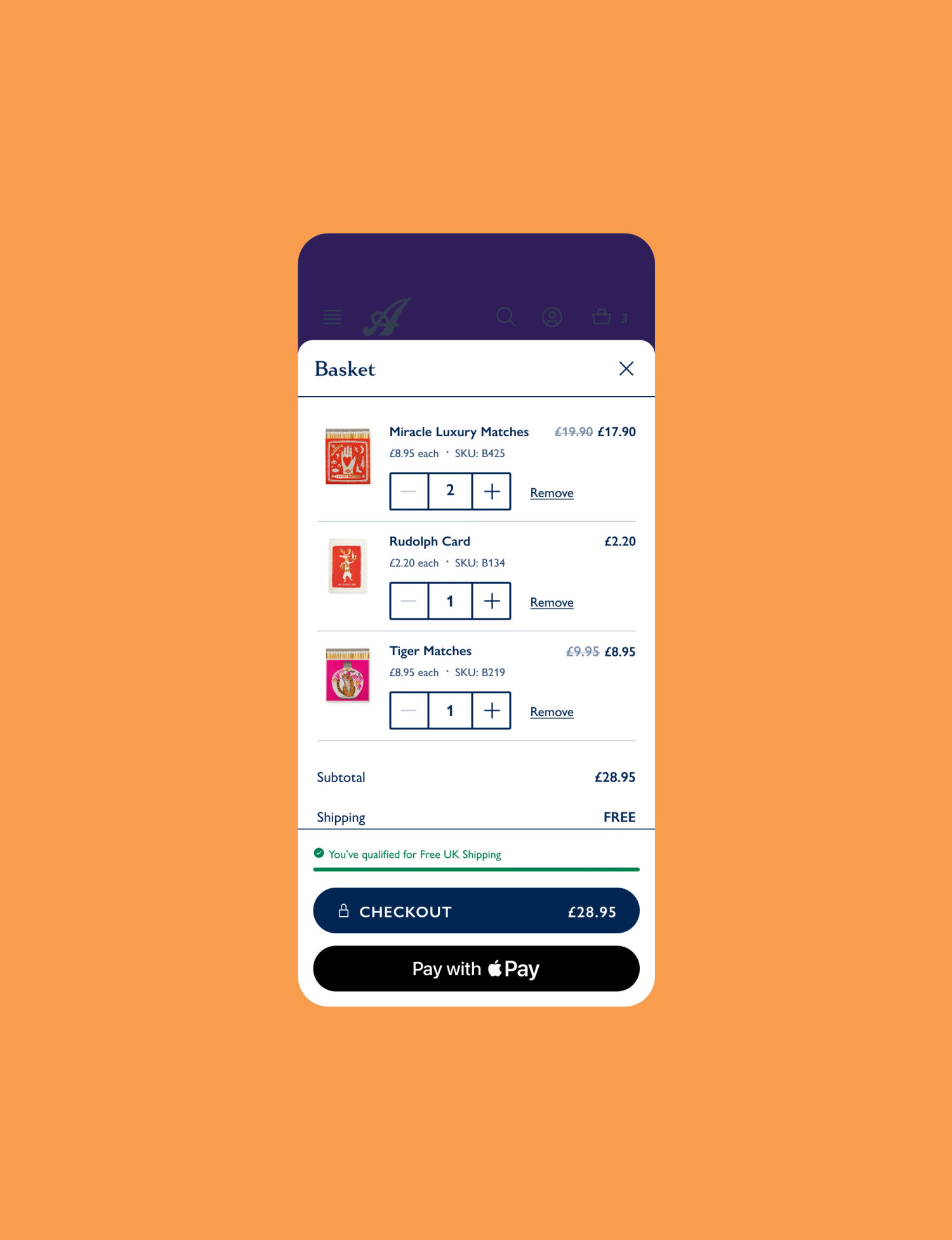
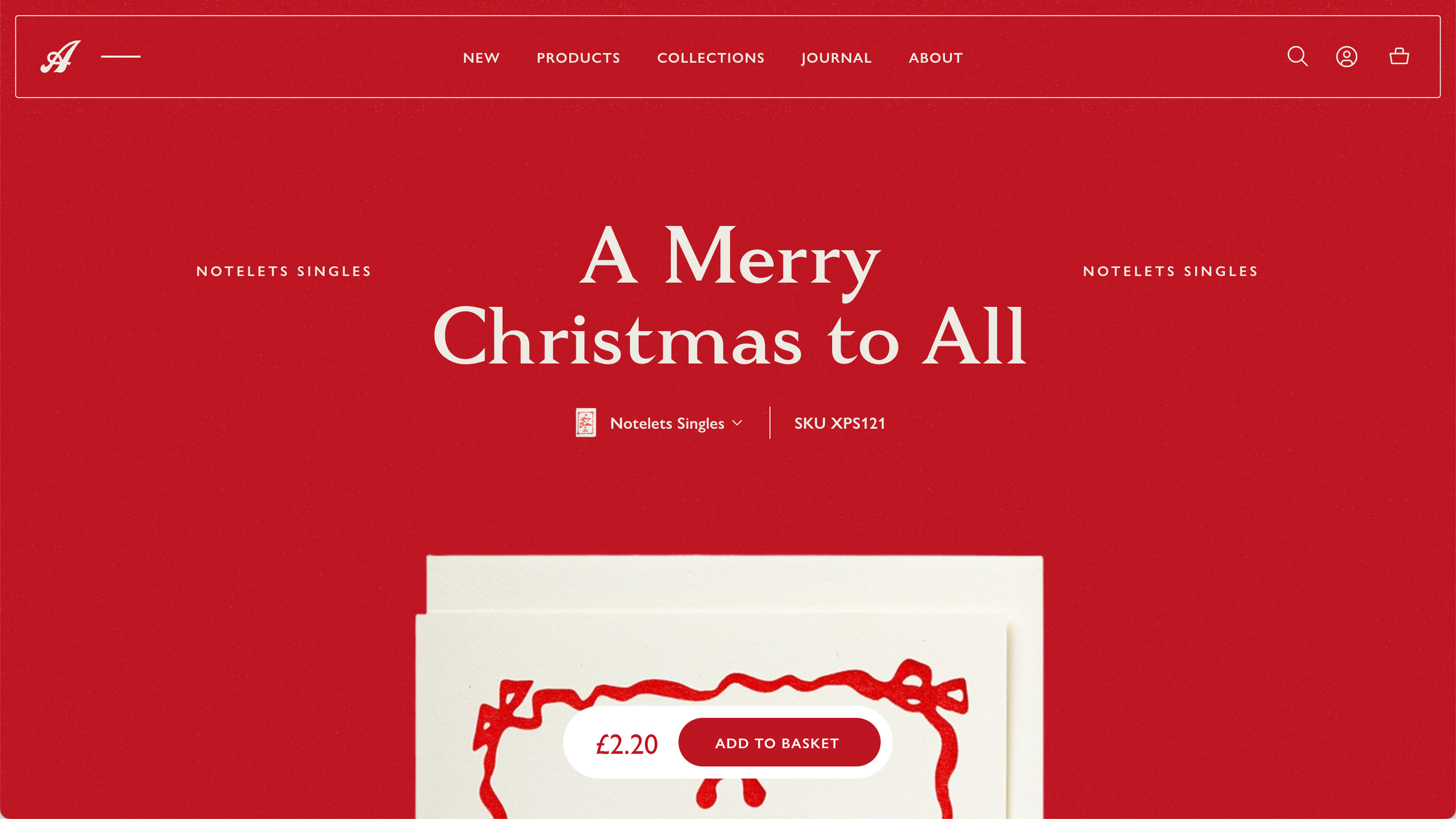
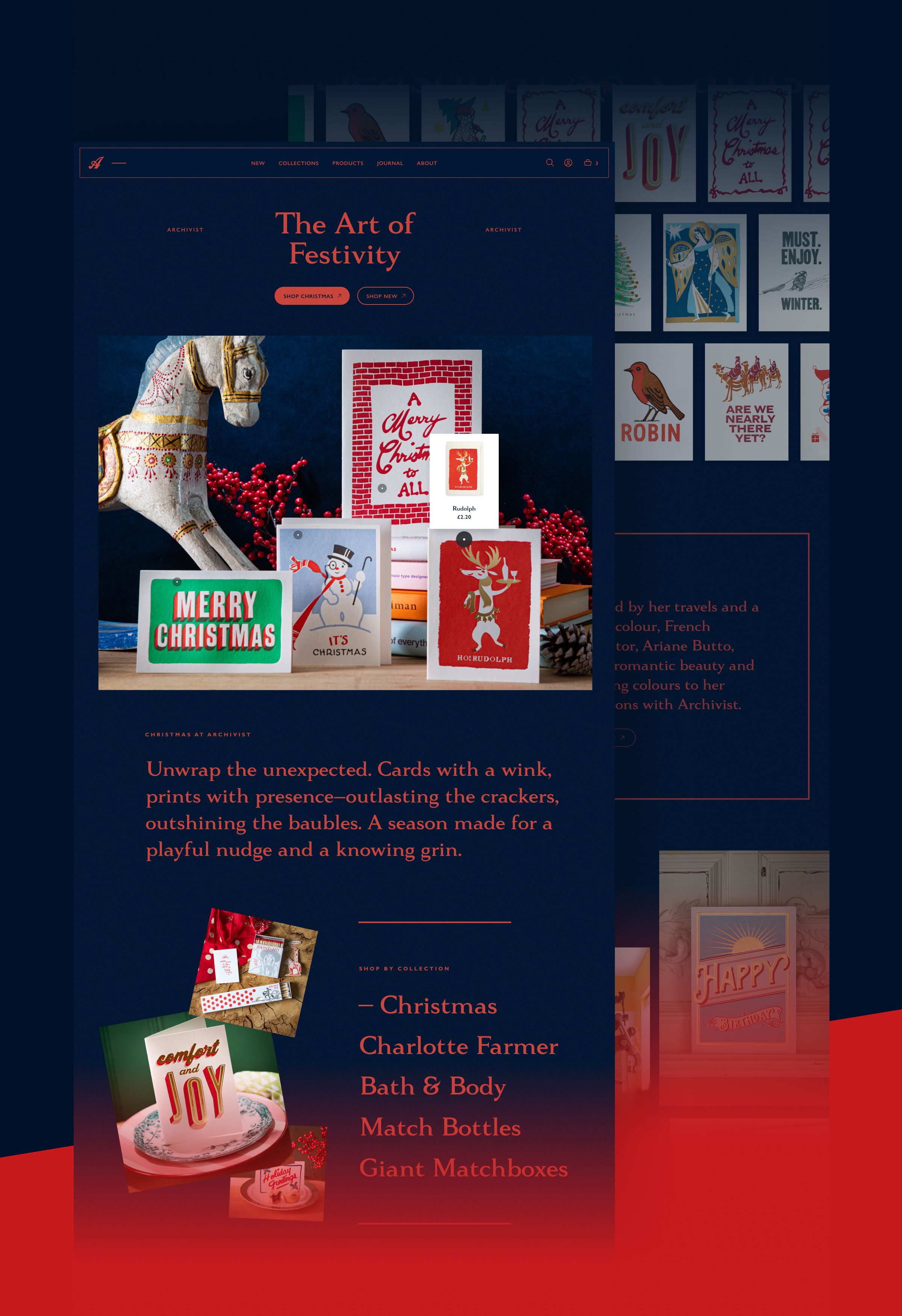
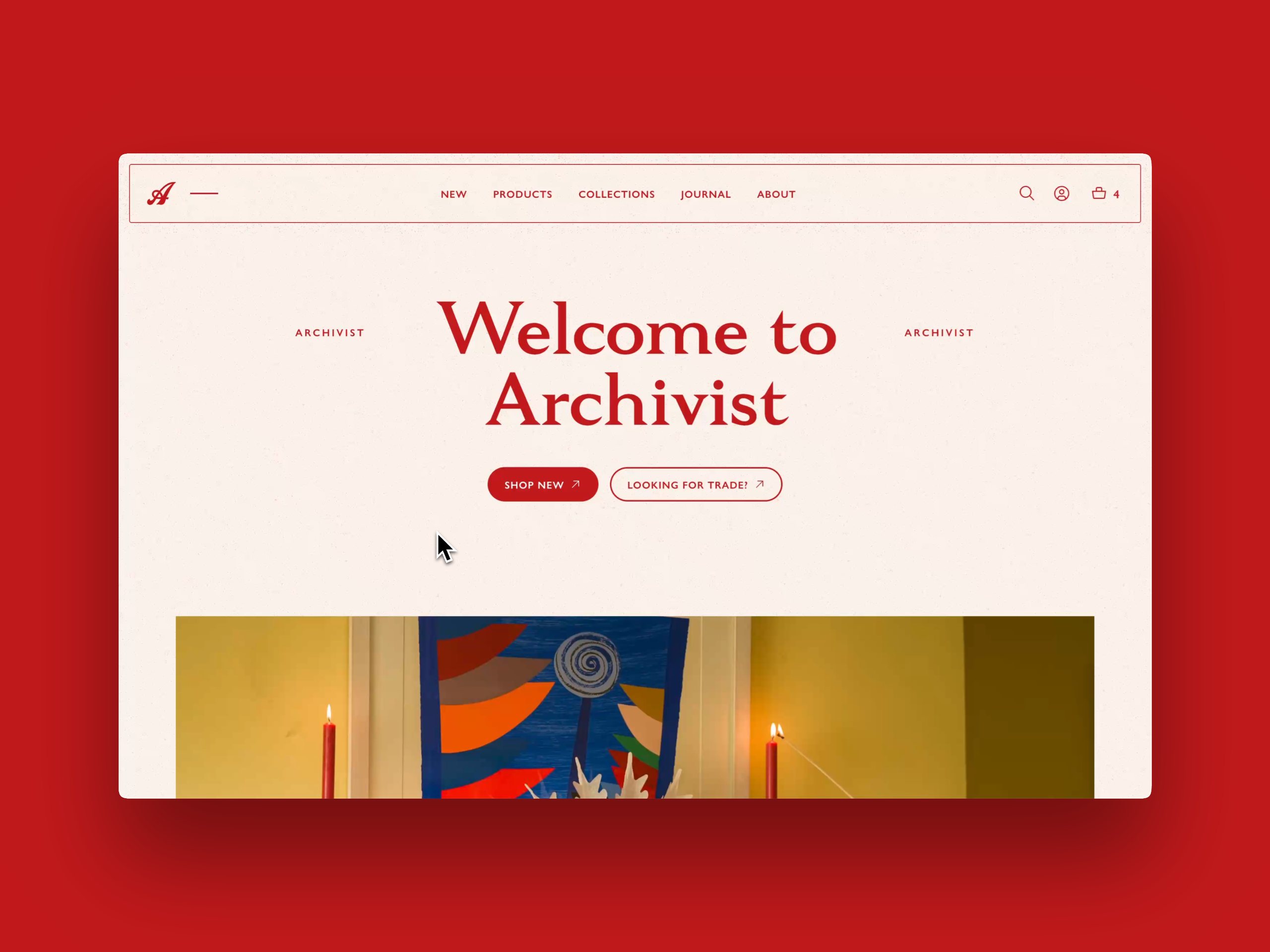


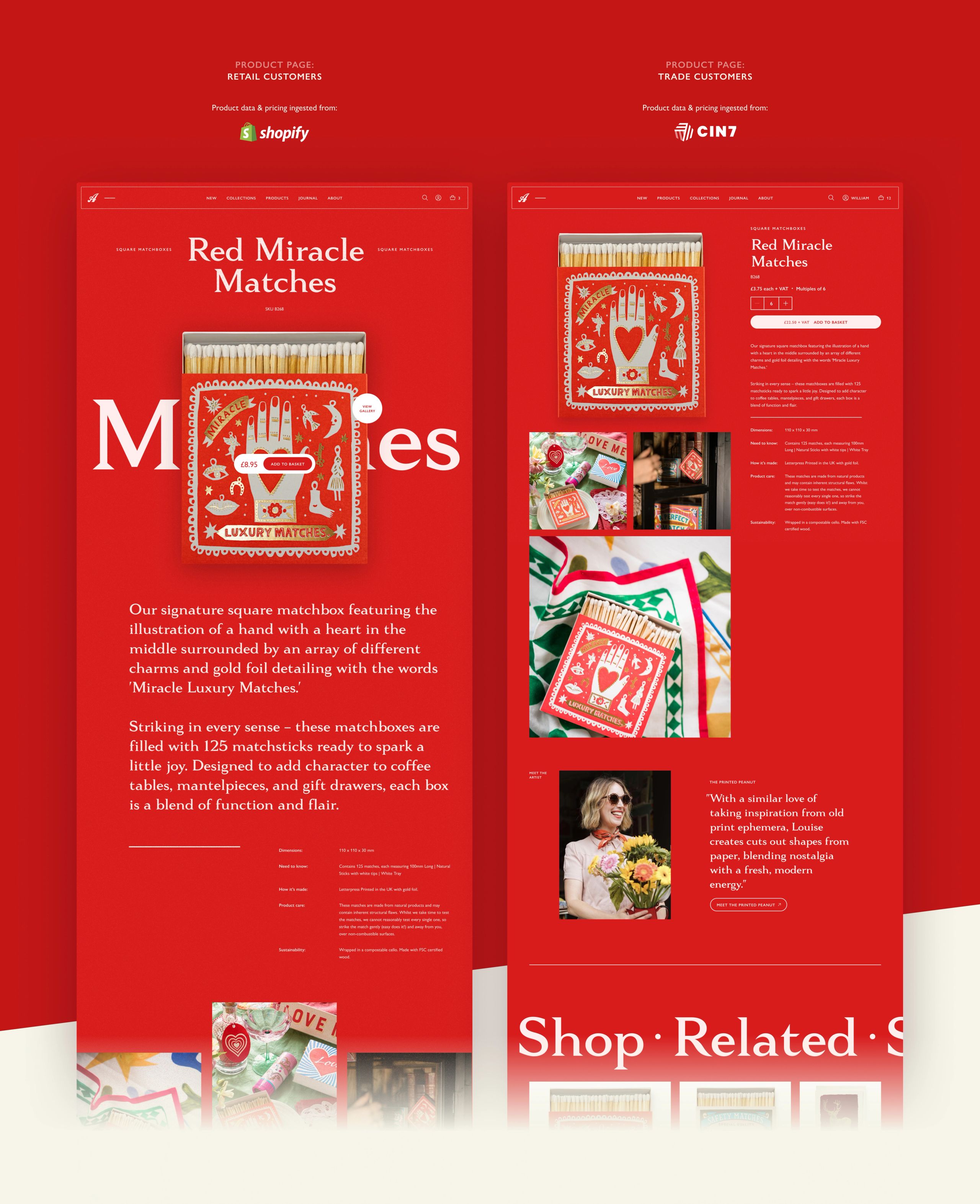
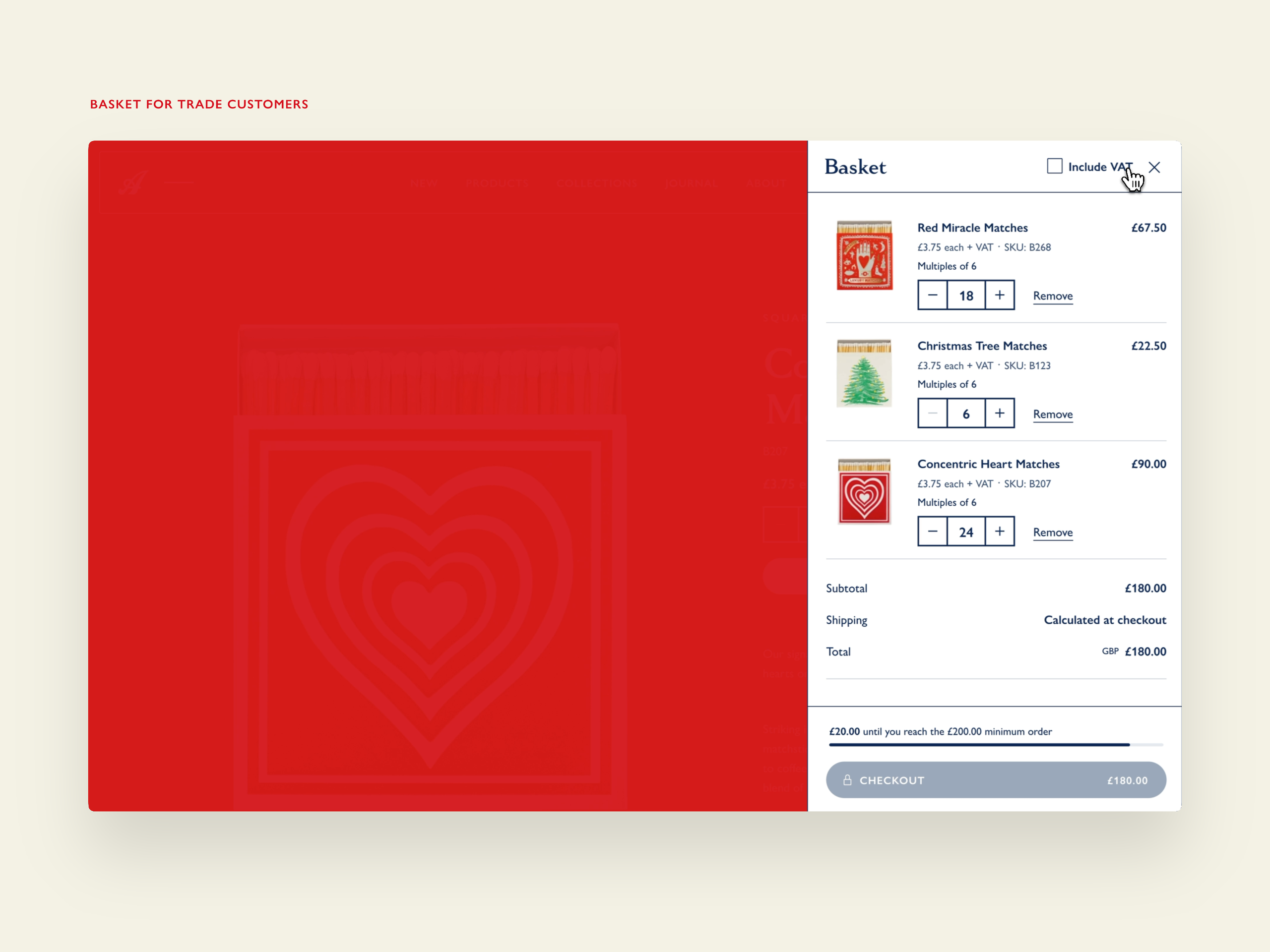
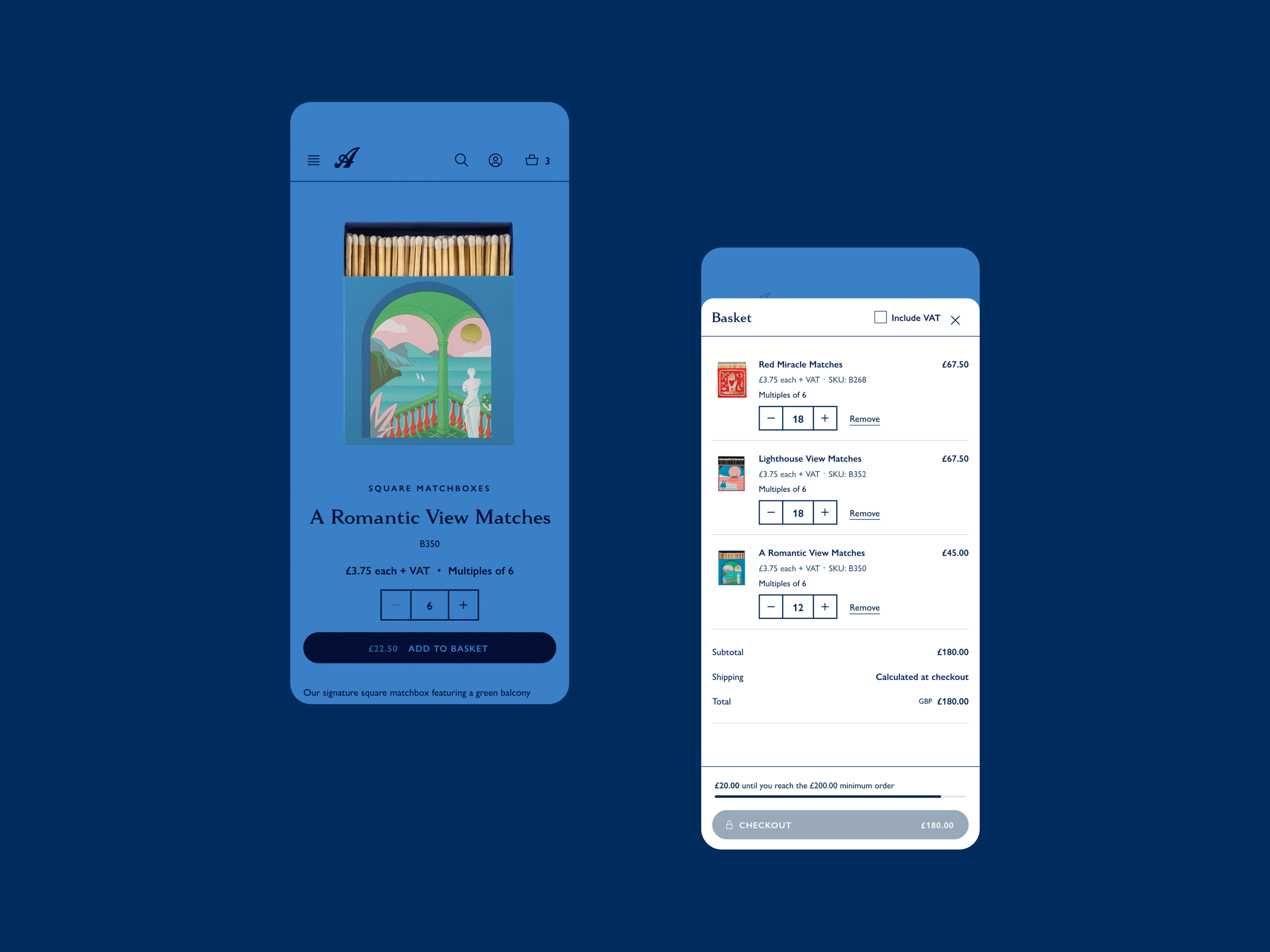
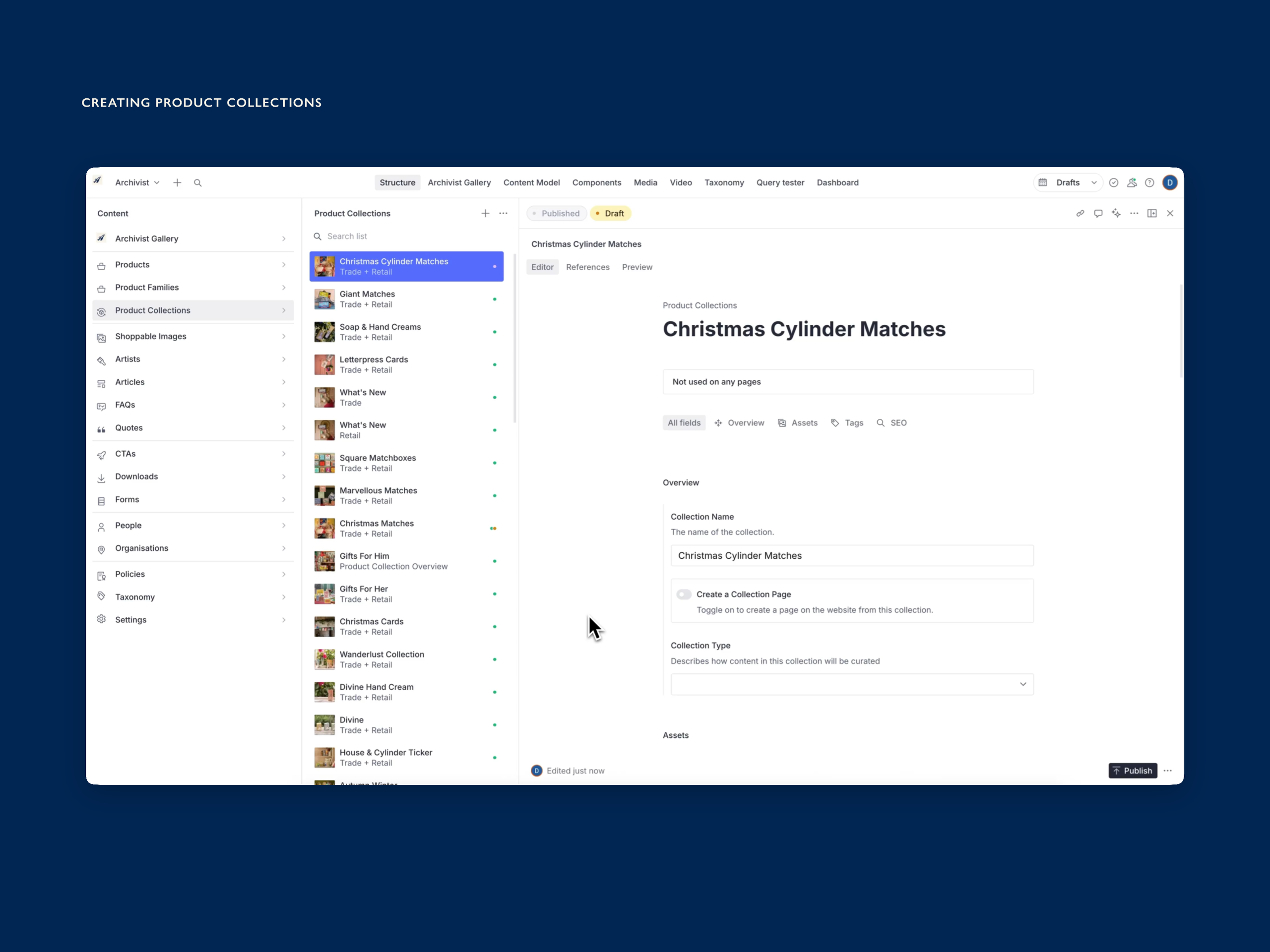
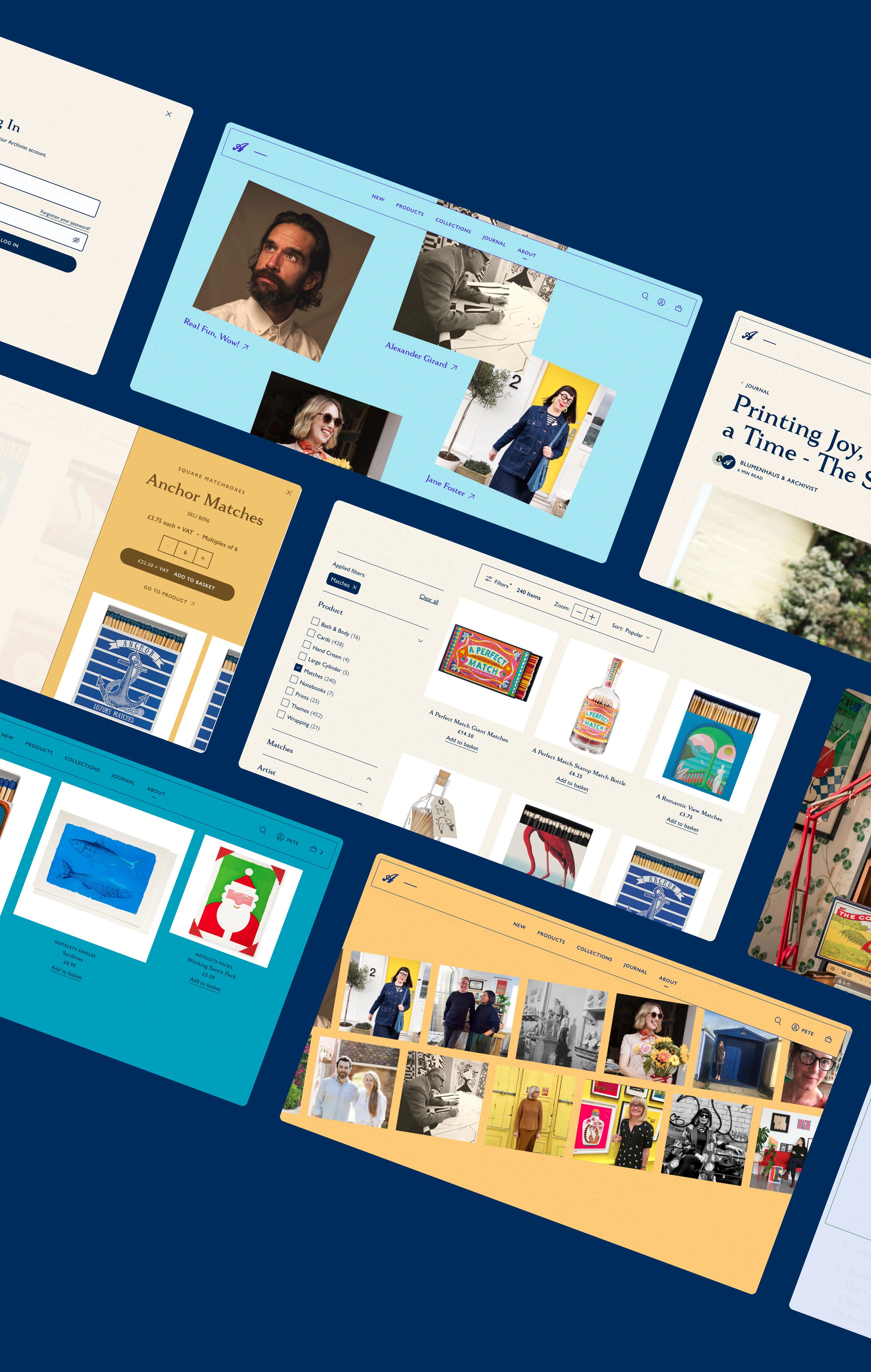
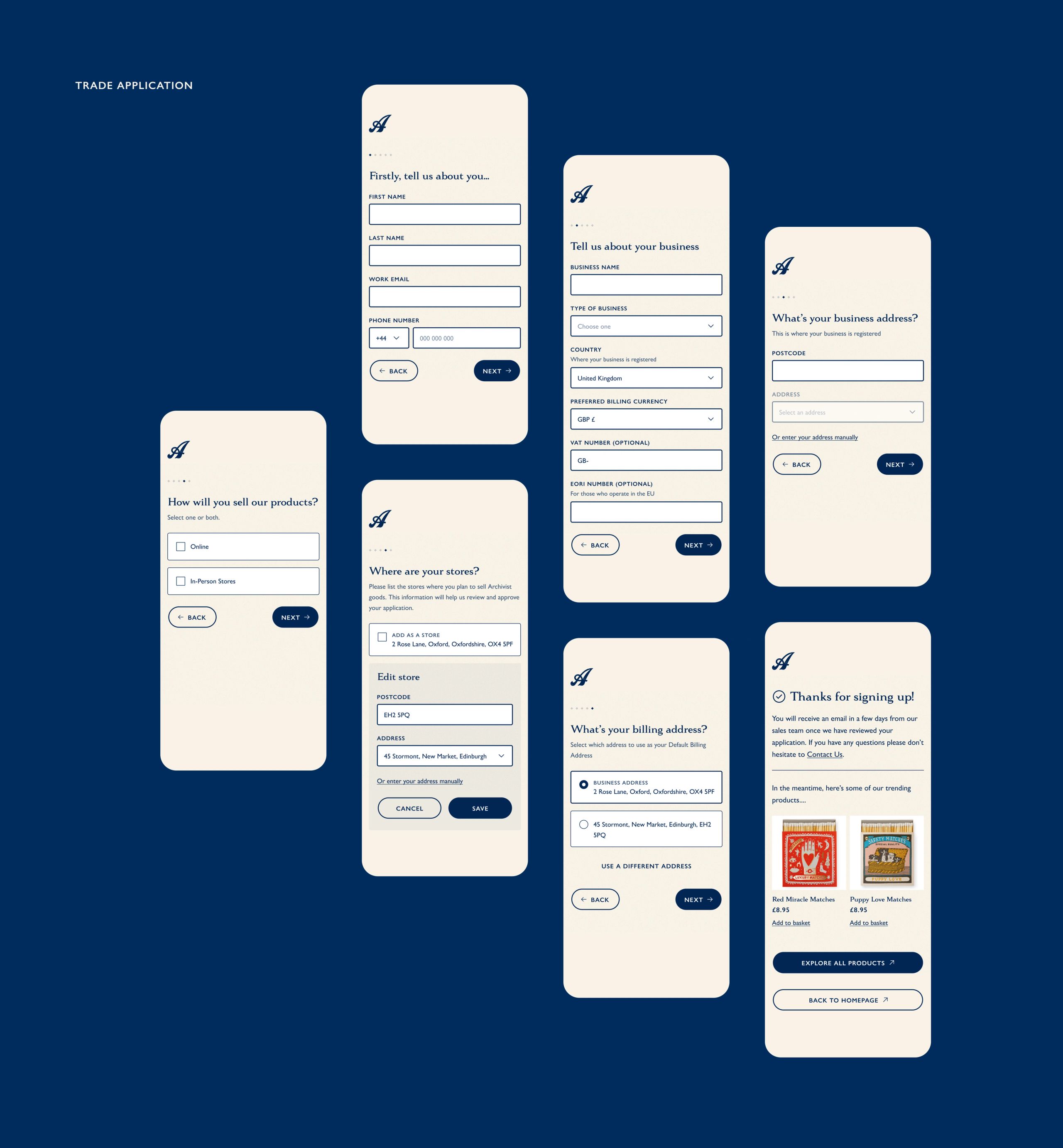
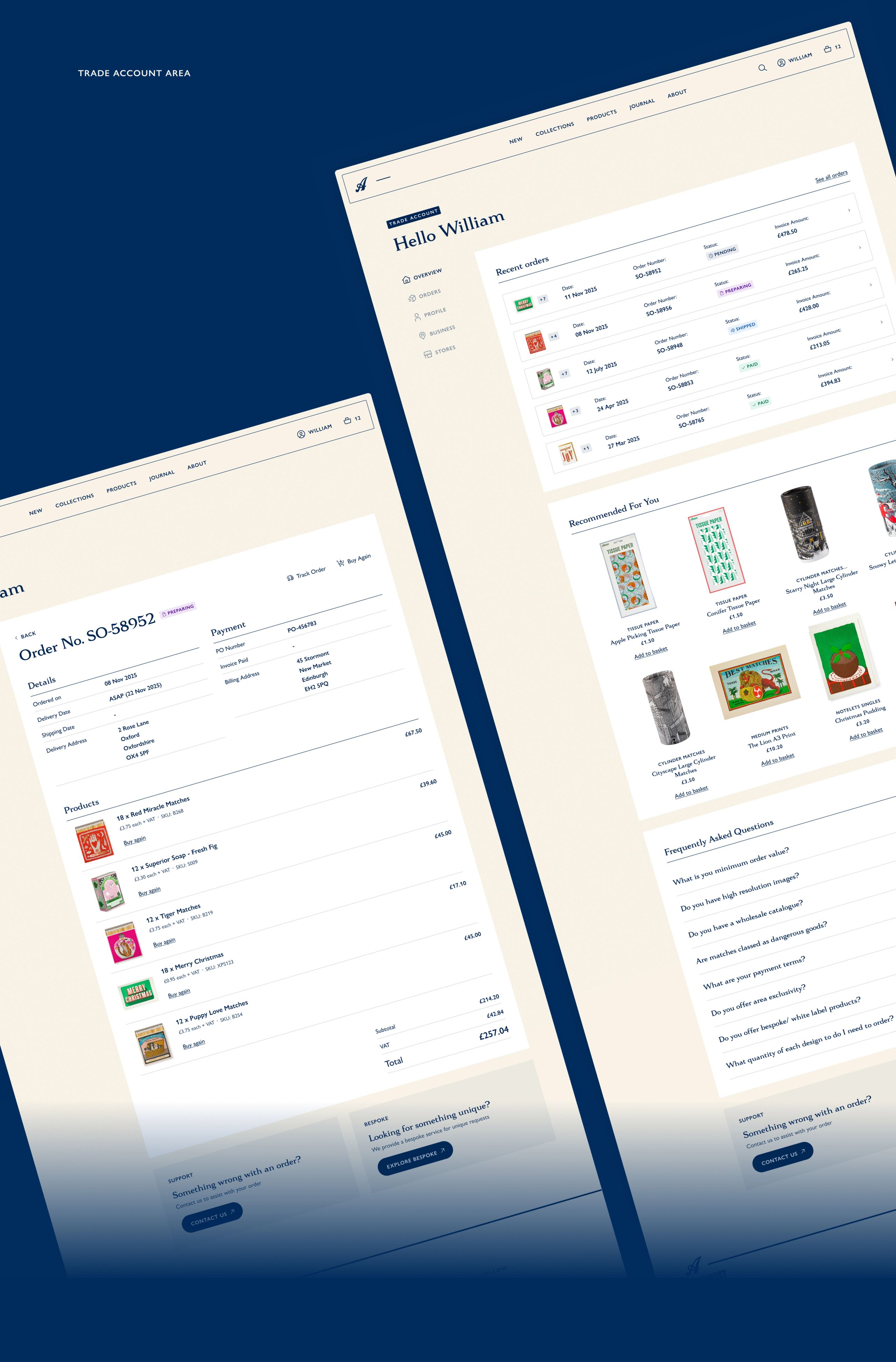
We built a single headless ecommerce platform that adapts to the user. Retail customers see a clean, simple storefront and checkout, while trade buyers log in to access live pricing, account rules and fast reordering. One platform, two tailored experiences, managed from the same system.
Cin7 handles inventory, pricing and trade logic as part of the ERP integration, while the headless frontend controls the user experience for both retail and B2B ecommerce users. Trade functionality runs in the background, allowing the storefront to stay fast and simple.
Algolia was integrated with structured product data and content models, allowing users to find products instantly by relevance, category and intent. Search became a primary navigation tool rather than a fallback.
Instead of trying to replace Cin7, we integrated it directly into the headless ecommerce architecture. The ERP continues to run inventory, pricing, accounts and production workflows exactly as before, while the new frontend and CMS layer sit on top to deliver a modern ecommerce experience.
By separating the frontend from the backend in a headless ecommerce setup, pages are pre-rendered and delivered through edge infrastructure. Even with live pricing, account logic and search, the site remains fast and responsive.
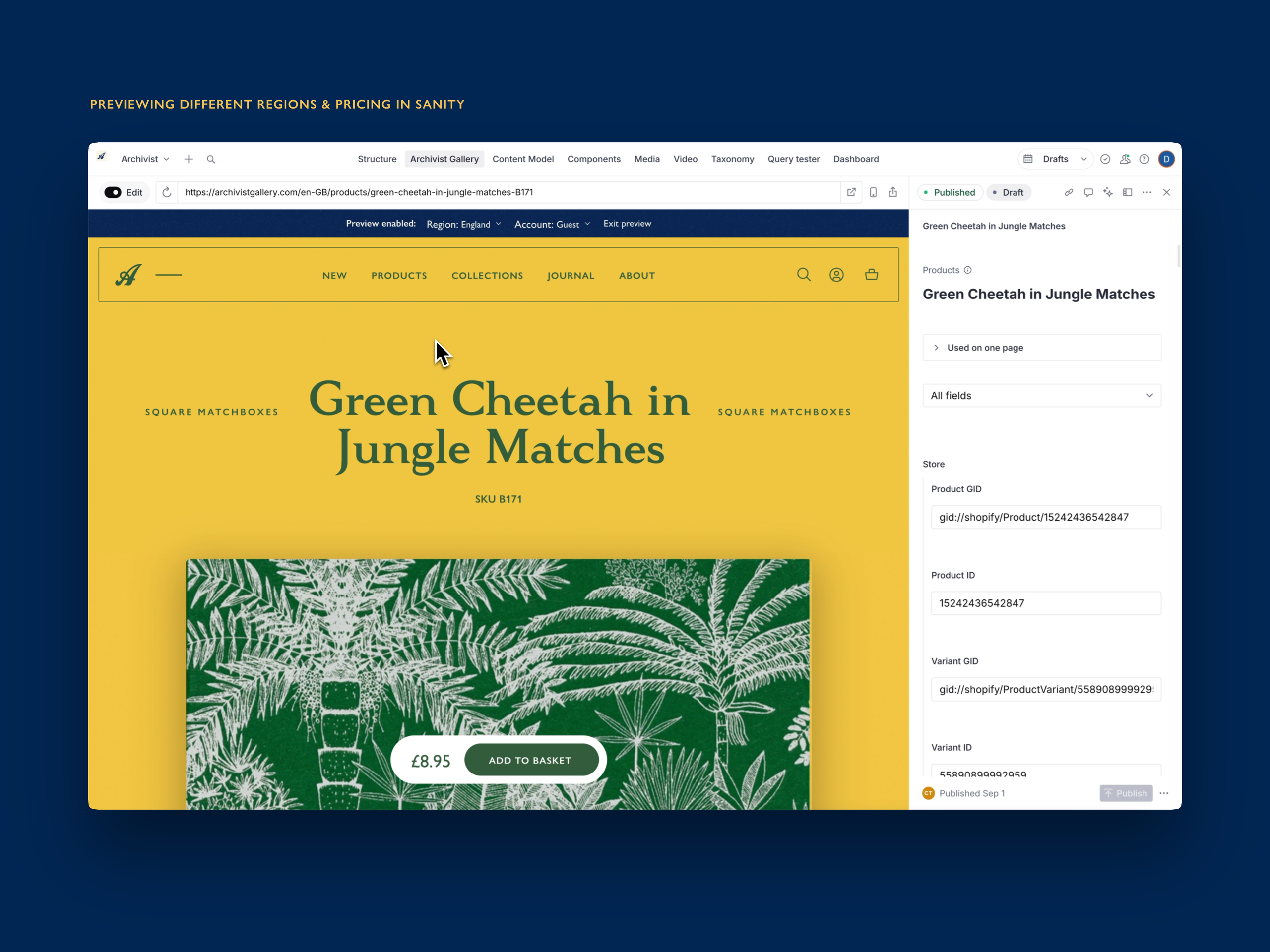
Sanity powers all content and structured product data for the site, allowing the team to manage pages, product stories and campaigns alongside the ecommerce experience without touching code.
We unified multiple trade and retail accounts into a single identity linked to one email address. This simplifies customer identity across the B2B ecommerce platform while the underlying account structures remain intact in Cin7.
We implemented a single sign-on layer that sits above both retail and trade logic within the ecommerce platform. Users authenticate once, and the platform determines which pricing and account rules apply based on their profile.
We introduced a shared database that syncs with Cin7 as part of the ERP integration, rather than querying it directly for every request. This removes API bottlenecks and allows the ecommerce platform to access fast, reliable inventory and pricing data without putting strain on the ERP.