Digital Transformation Starts with Architecture: Why Headless, Agile, and UX should Work Together


You often hear the phrase ‘digital transformation’ bandied about, and honestly, for most companies, it just means one thing: buying new tech. Replacing that ancient legacy system, moving to the cloud, that's all fine, but it's only half the story. The truth is, genuine transformation is far deeper. It's not about the software you install; it's about fundamentally changing how your teams work and the quality of experience you deliver.
This is where many digital transformation strategies fail. They focus on tools before they address the underlying digital transformation architecture that determines how teams build, ship and scale digital products.
Transformation can be distilled down into four things.
Trying to tackle these four crucial elements in isolation is the number one reason projects stall. They govern the four key dimensions of any modern digital platform architecture. What you build, how you build it, whether people will actually use it, and why you’re building it in the first place.
True transformation is not possible unless the following things are linked by an overall strategy:
Your technology platform needs to be built for the future, not just the present. Architectural choices that separate content from presentation give teams the flexibility to deliver consistent experiences across every channel, from web and apps to emerging platforms. This kind of approach removes the need for repeated rebuilds as the business evolves and allows organisations to scale at pace without introducing unnecessary complexity.
This is a key part of getting digital transformation architecture right.
Replacing waterfall projects with Agile methodologies (like scrum or Kanban) shifts your development process from long, risky deployment cycles to iterative, user-focused releases. This allows you to test hypotheses quickly and pivot based on real-world feedback, dramatically reducing risk and wasted time while increasing speed-to-market.
Exceptional user experience (UX) is no longer a luxury; it’s a critical competitive differentiator. A robust UX/UI strategy ensures that every digital touchpoint is intuitive, engaging, and aligned with user needs. UX is what connects architecture to outcomes and ensures people actually use what you build.
This is where cross functional digital teams become essential. Transformation requires a new discipline between Strategy, Design, and Development.
Here are the team’s top tips to making this collaboration work:
Establish a regular meeting cadence with all three areas. Ongoing success relies on the sustained collaboration of all three disciplines. Sprint planning must involve designers to review component constraints. Design reviews must include developers to validate technical feasibility. Retrospectives need all voices represented in order to make these meetings productive and meaningful.
Evaluate your tech stack. The right toolkit is essential for seamless collaboration. For strategic workflow and visibility, we recommend platforms like Linear and Notion. For collaborative design and prototyping, Figma is essential for creating a single source of truth for UI components. And for instant, focused communication, Slack is vital.
Audit existing architecture and workflows. It’s important to be honest when assessing where your current CMS is blocking agility and where your internal teams are siloed.
Run a pilot with a cross-functional team. Start small. Select a high-value, low-risk project such as a microsite or a key landing page series. Assign a dedicated, integrated team of strategy, UX, and development to build it using this new model. Bank the win and feed the success story back into the business.
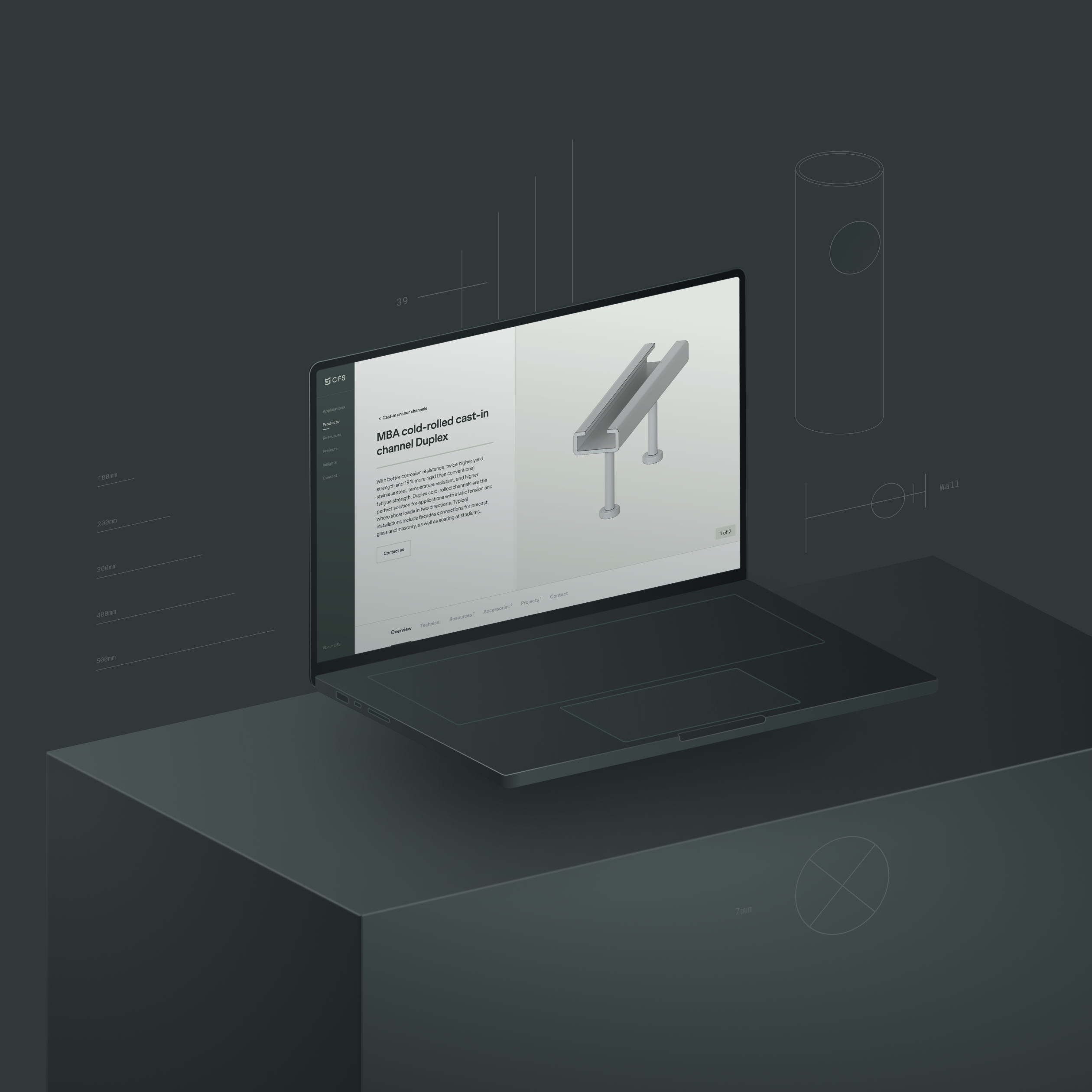
Headless Website
Engineering digital transformation in manufacturingTracking progress is the key to maintaining momentum, telling a compelling story back to the business, and proving ROI. Focusing solely on technical uptime isn't enough.
Here are some key performance indicators that help demonstrate the impact of a well-aligned digital transformation strategy:
Digital transformation isn’t just about buying a product. It’s about redesigning how your people, processes, and technology interact to create the conditions for modern digital platforms to thrive. The real shift is behavioural, across teams and disciplines. True digital transformation happens where architecture, UX and process work together, supported by collaboration, communication and consistency.